The Complete Guide to IT Support for Remote Mining Sites
What good IT support looks like when your users are 1,000 km from head office, on rotating rosters and connected by satellite.
20 October 2026 · 3 min read · Mining IT Services editorial
Why remote sites are different
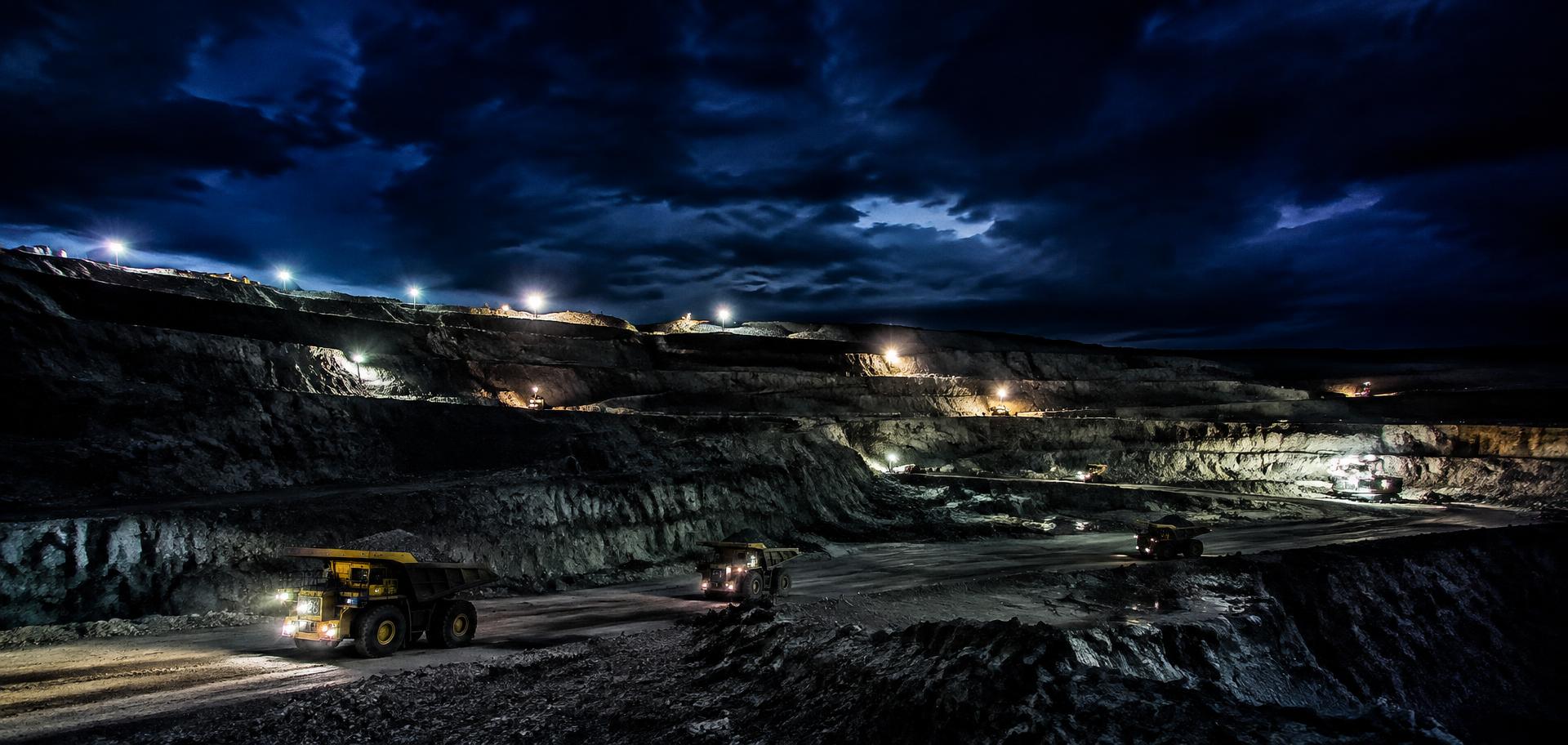
IT support models designed for city offices assume reliable internet, staff who work business hours and a technician who can be on site within hours. Remote mine sites break all three assumptions.
Users work 12-hour shifts on rotating rosters, connectivity may depend on a single satellite link, and getting a technician to site can require inductions, flights and accommodation booked days in advance.
The building blocks
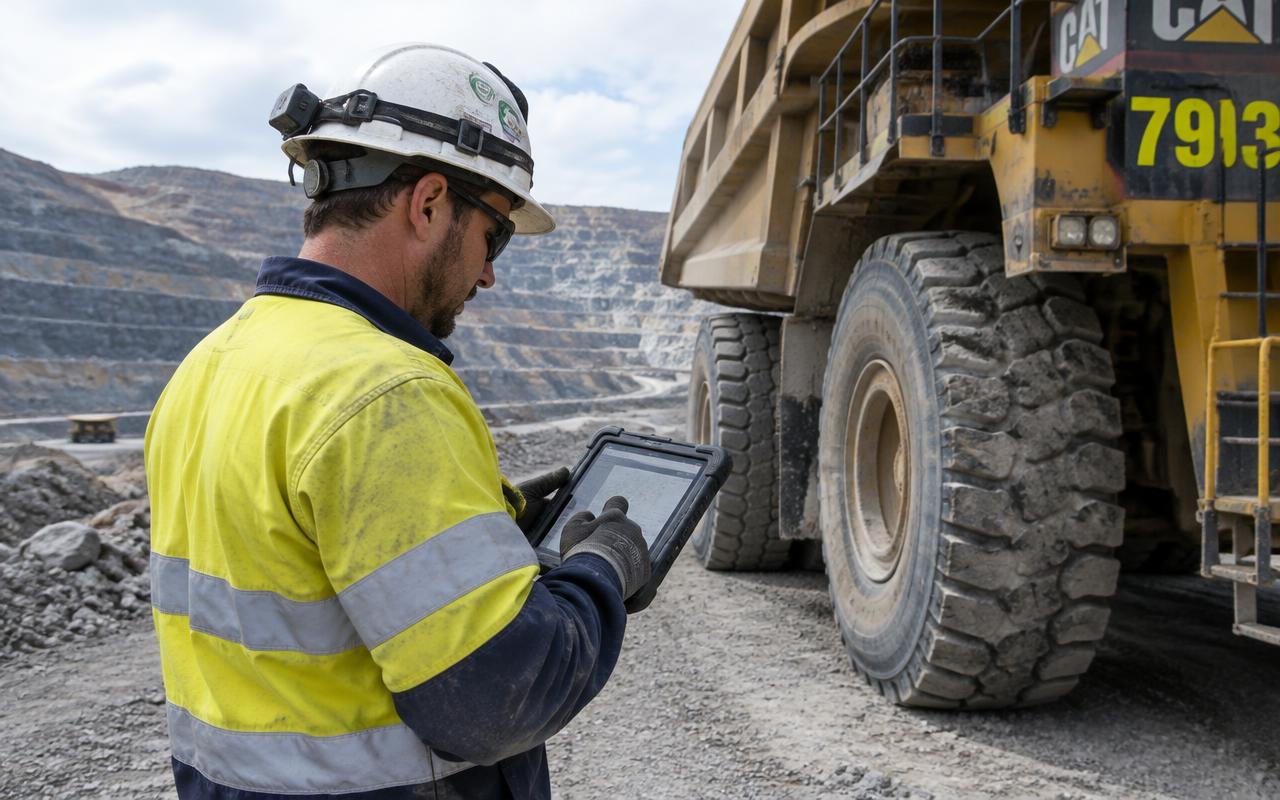
Effective remote-site support combines four elements: a 24/7 remote helpdesk that understands constrained connectivity; centralised device and network management so most issues can be fixed remotely; a smart hands arrangement for simple physical tasks; and planned field engineering for projects and complex faults.
Standardisation underpins all of these. When every site uses the same firewall model, the same laptop image and the same naming conventions, remote engineers can diagnose quickly and spares are interchangeable.
Designing for failure
Remote sites should assume that links will drop and hardware will fail. Dual internet links with automatic failover, local copies of critical data, pre-positioned spares and documented recovery steps turn outages into minor interruptions.
Monitoring is essential: you want to know that a site's backup link has failed before the primary link does.
What IT teams should evaluate
When reviewing support for remote operations, ask: Can users get help at 3am? How long does a typical remote fix take over satellite? Who is authorised to touch equipment on site? Where are spares held? When was the last backup restore test? The answers reveal whether your support model was designed for mining or adapted from somewhere else.